Unlocking Tiered Access: How Spin Incentives Bridge to Live Table Experiences in Casino Loyalty Systems
Written by Casey Long · Jul 19, 2026
Unlocking Tiered Access: How Spin Incentives Bridge to Live Table Experiences in Casino Loyalty Systems
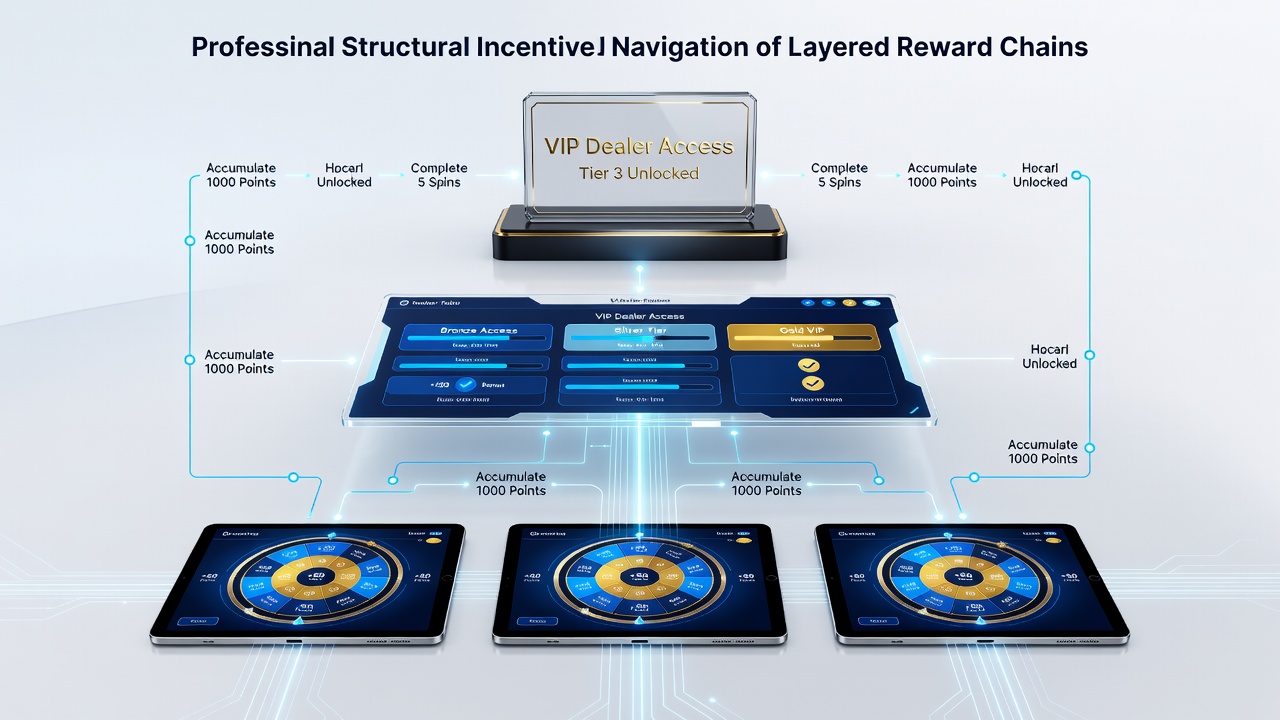
Modern casino loyalty frameworks often operate through interconnected reward layers where portable spin incentives serve as entry points that link directly to dealer table access tiers once players complete structured requirement fulfillment such as wagering thresholds and activity milestones. These systems appear across various jurisdictions and rely on data tracking to verify progress from initial spin rewards toward elevated privileges including exclusive live dealer environments.
Operators structure these chains so that spin incentives earned on mobile platforms accumulate value when players meet predefined criteria including minimum bet volumes and session frequencies. Research from industry analysts shows that such connections encourage sustained engagement because each completed layer unlocks incremental benefits that range from additional spin allocations to priority seating at live tables. Data indicates participants who advance through multiple tiers demonstrate higher retention rates compared to those who remain at entry levels.
Core Mechanics of Portable Spin Integration
Portable spin incentives function as transferable credits that players carry across devices and game types while the system logs fulfillment metrics in real time. When requirements such as a set number of spins completed or total wagered amounts reach designated targets the platform automatically elevates the account status and grants access passes to dealer table sections. Studies conducted by gaming technology firms reveal that seamless integration between spin rewards and table privileges reduces friction for users who move between slot and live formats.
Requirement fulfillment typically includes a combination of deposit activity, game participation logs, and time-based checkpoints that operators verify through centralized databases. According to reports from the Nevada Gaming Control Board updated frameworks effective in July 2026 emphasize transparent tracking of these steps to ensure players understand progression paths without ambiguity. This approach allows spin incentives to serve as foundational elements that scale upward into live dealer privileges once verification confirms compliance.
Progression Pathways to Dealer Table Tiers
Access tiers for dealer tables usually divide into graduated levels where initial spin-based rewards open lower entry points and subsequent fulfillments unlock premium sections with higher minimum stakes and personalized service options. Observers note that players often begin with standard live tables after meeting modest spin requirements before advancing to private rooms or high-limit tables that demand more extensive activity records. Evidence from platform audits suggests these layered connections create measurable pathways that align player effort with reward value.
Operators frequently incorporate bonus multipliers tied to spin incentives that accelerate tier advancement when certain conditions such as consecutive daily logins or specific game selections are satisfied. Figures from Canadian provincial regulators including the Alcohol and Gaming Commission of Ontario highlight how structured fulfillment protocols maintain balance between player incentives and operational controls across multiple casino environments. Those who navigate the chains successfully gain access that extends beyond standard play into specialized dealer interactions unavailable at base levels.

Regional Implementation Patterns and July 2026 Developments
Implementation varies by region yet common threads include automated tracking systems that connect spin rewards to table access through verified milestones. In Australian markets governed by state authorities such as the New South Wales Independent Liquor and Gaming Authority similar layered models have expanded to accommodate mobile-first participants who transition from spins to live formats. Reports indicate that fulfillment structures in these areas prioritize clear documentation so players can monitor advancement without external assistance.
July 2026 marks the rollout of enhanced digital verification standards in several North American jurisdictions where operators must display real-time progress indicators for spin-to-table pathways. These updates require explicit mapping of requirement steps within player accounts to support compliance while maintaining the direct linkage between portable incentives and dealer privileges. Industry organizations including the American Gaming Association have published guidelines that encourage consistent application of these mechanics across licensed platforms.
Player Navigation Strategies and System Transparency
Players who examine the requirement trees often discover that combining spin incentives with targeted game selections speeds progression toward table tiers. Data from academic reviews of loyalty program effectiveness shows correlations between clear milestone communication and higher completion rates for tier advancements. Systems that display cumulative progress visually help users understand how current spin activity contributes to future dealer table access without requiring separate inquiries.
External resources such as research papers from university gaming studies departments provide additional context on how these reward chains influence behavior across different demographic segments. One analysis from a European research consortium examined fulfillment patterns and found that integrated spin-to-table models produced consistent advancement when operators supplied detailed requirement breakdowns at account creation. Observers note that transparency at each layer supports sustained participation because users can plan activity sequences that align with tier goals.
Conclusion
Layered reward chains that connect portable spin incentives to dealer table access tiers through structured requirement fulfillment represent established operational models in regulated gaming sectors worldwide. These frameworks rely on verified milestones and automated tracking to translate initial spin rewards into elevated live dealer privileges as players satisfy defined criteria. Updates scheduled for July 2026 in multiple regions further standardize visibility of progression steps while preserving the direct linkage between incentive types and access levels. Data from diverse regulatory and research sources continues to document how such systems function across platforms and jurisdictions.