Tracing Reward Pathways: How Verification Steps Shape Access to Layered Incentives Across UK Mobile Platforms
Written by Gisela Baumann · Aug 5, 2026
Tracing Reward Pathways: How Verification Steps Shape Access to Layered Incentives Across UK Mobile Platforms
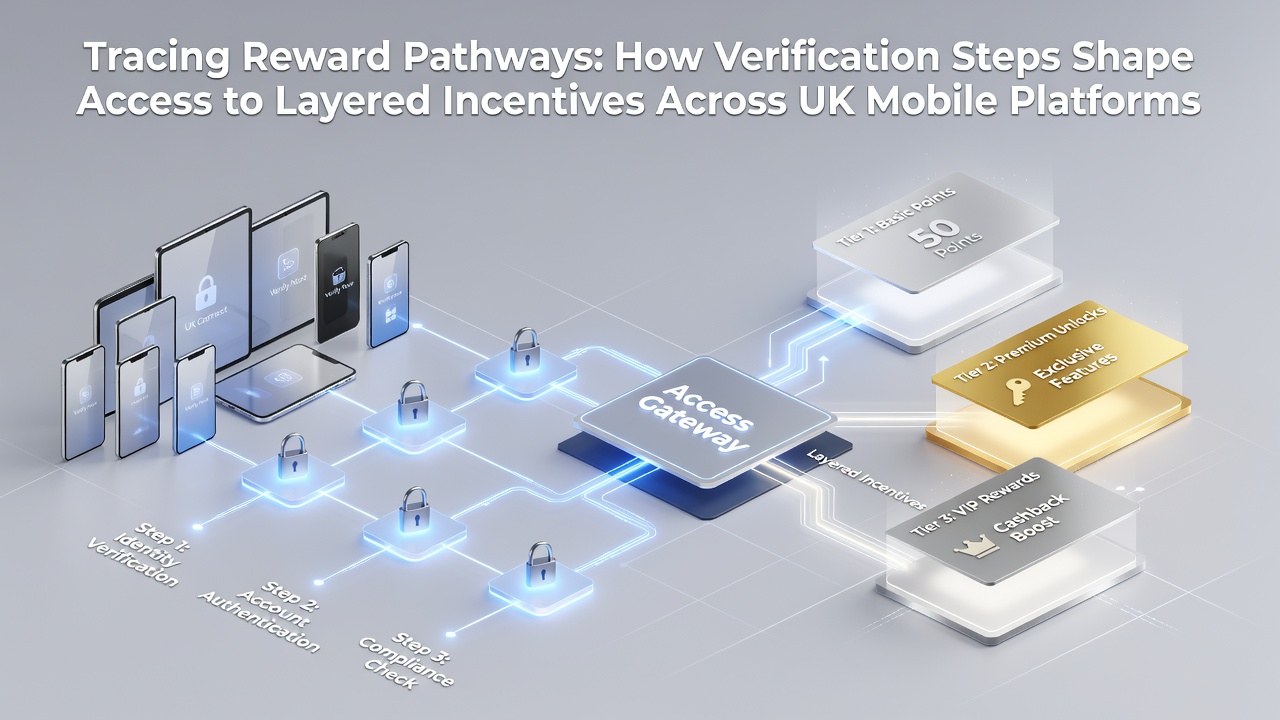
Verification procedures form the foundation of reward distribution systems on UK mobile platforms, where each step determines eligibility for successive incentive layers. Mobile applications require identity confirmation, address validation, and payment method authentication before users gain entry to basic reward tiers, while additional checks unlock advanced structures. Data from industry reports shows these sequential gates control progression rates across thousands of active accounts each month.
Initial Verification and Entry-Level Access
Users begin with standard document uploads that include government-issued identification and proof of address, processes that mobile platforms streamline through integrated camera features and secure upload portals. Once approved, accounts receive access to initial incentive layers such as introductory reward credits or participation points. Research from academic institutions indicates completion times for these first steps average between 24 and 72 hours on major UK networks, after which reward tracking activates automatically.
Platforms integrate third-party services to cross-reference submitted details against public records, reducing discrepancies and ensuring compliance with broader financial regulations. Observers note that successful verification at this stage opens pathways to mobile-specific features like push notification alerts for new incentive opportunities.
Progressive Layers and Additional Authentication Requirements
Layered incentive systems operate on graduated verification thresholds, where higher reward brackets demand supplementary confirmations such as source of funds declarations or enhanced security protocols. These steps often involve video calls or biometric scans through the mobile app, adding layers of security while filtering access. Figures from international gaming associations reveal that accounts completing secondary verifications see increased activity rates in reward programs by measurable percentages compared to those remaining at entry levels.
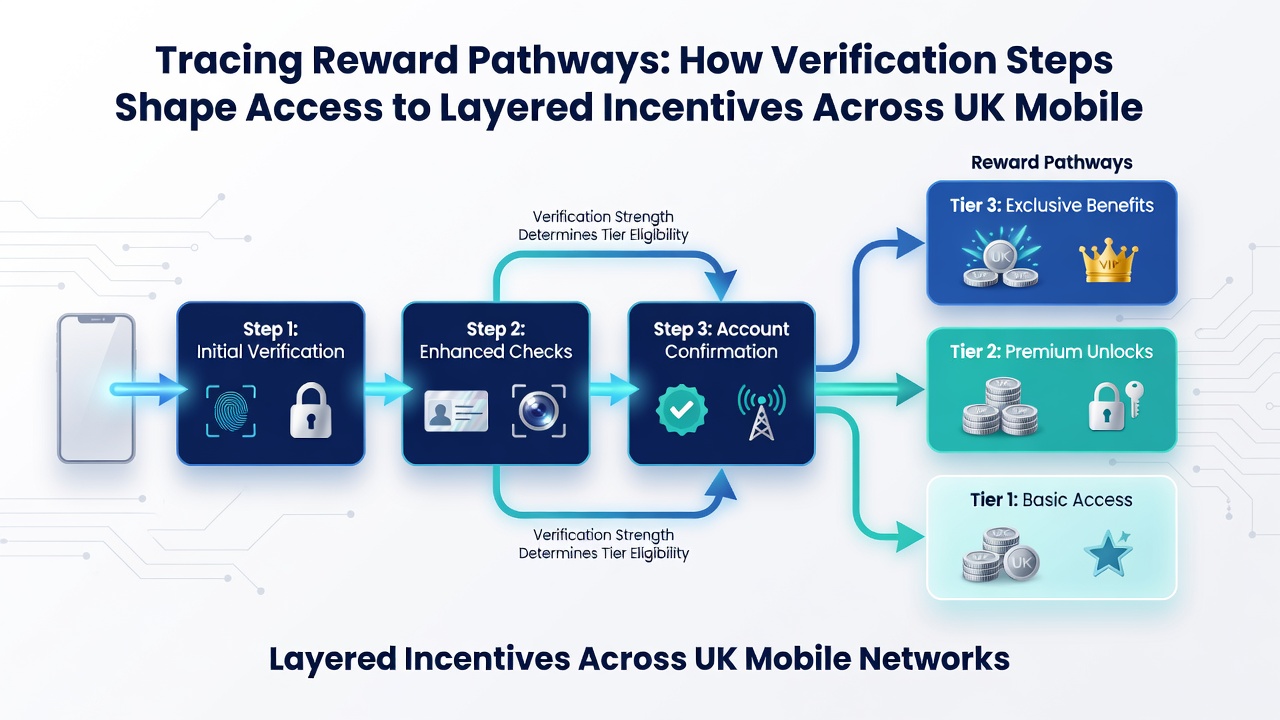
One study conducted by researchers at a Canadian university examined similar verification flows and found direct correlations between authentication depth and retention within multi-tier programs. Mobile platforms apply these findings by prompting users at natural breakpoints, such as after reaching a certain reward accumulation point, to complete the next verification round.
Impact of Timing and Platform-Specific Processes
Timing plays a significant role because verification delays can interrupt momentum in reward pathways, particularly when new incentive rounds launch in quick succession. Platforms address this through automated reminders and status dashboards that display pending requirements clearly. In August 2026, several UK operators introduced batch processing options that allow users to complete multiple verification elements simultaneously via mobile interfaces, shortening overall timelines according to internal platform metrics.
What's notable is how different mobile ecosystems handle these flows, with some integrating instant bank verification while others rely on manual reviews for complex cases. Data indicates that streamlined processes correlate with higher completion rates across user demographics.
Cross-Platform Comparisons and External Benchmarks
Comparisons with systems in other regions highlight variations in verification rigor, yet UK mobile platforms maintain alignment with European data protection standards that influence how information flows between verification providers and reward administrators. A report from an Australian research center on digital incentive structures underscores the importance of transparent step-by-step guidance, which many UK apps now incorporate to support user navigation through layered requirements.
Those who track these developments observe that verification serves as both gatekeeper and enabler, shaping which users reach advanced incentive stages within defined timeframes. External links to regulatory frameworks from bodies like the European Gaming Regulators Association provide context on standardized practices that inform UK implementations.
Future Adjustments in Verification Pathways
Platform operators continue refining verification sequences based on usage patterns and technological advancements, with biometric options gaining traction for their speed and security profile. Research indicates these refinements maintain access controls while reducing friction points that previously slowed progression through reward layers. Another authoritative source, a policy analysis from North American gaming institutes, examines how mobile verification trends evolve in response to user behavior data across similar jurisdictions.
Conclusion
Verification steps remain central to the architecture of layered incentives on UK mobile platforms, dictating the pace and extent of user access through documented processes and platform-specific protocols. Ongoing adjustments in August 2026 and beyond reflect responses to both technological capabilities and external benchmarks, ensuring reward pathways operate within established parameters while supporting continued engagement across mobile environments.