Portable Platforms Transforming Bonus Code Strategies in Elite Live Game Rewards
Written by Alex Neumann · Jul 22, 2026
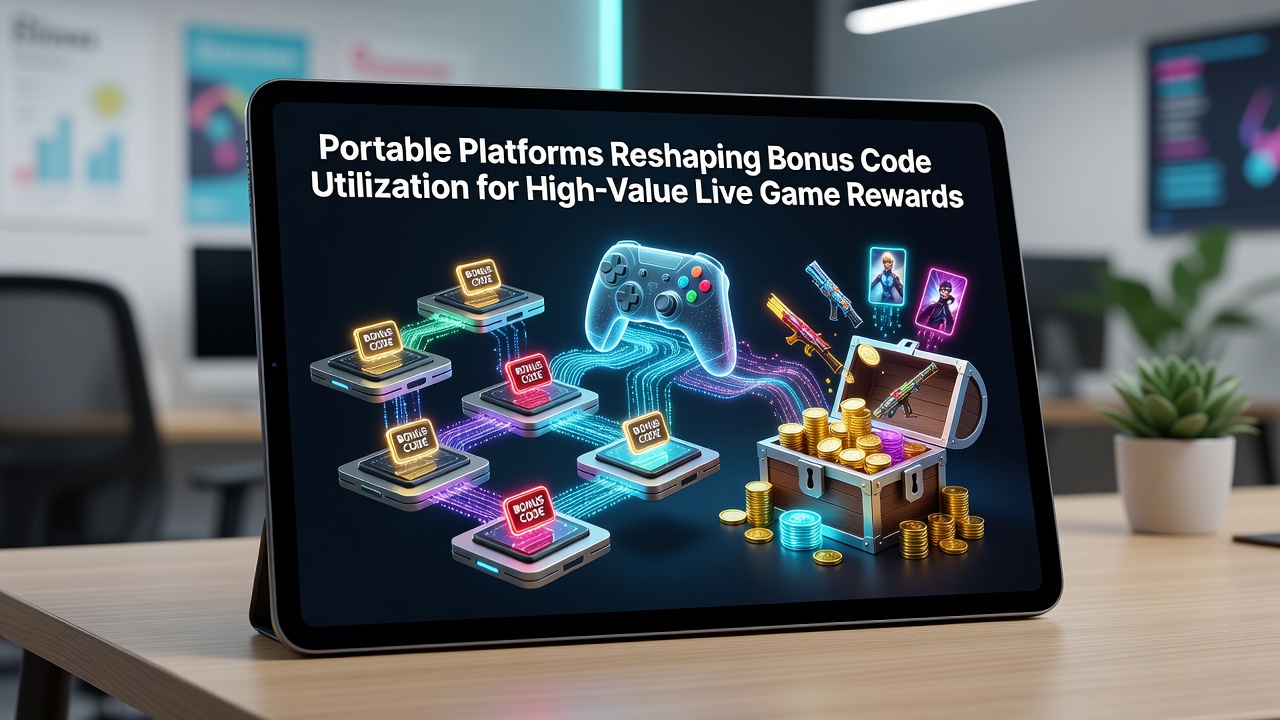
Portable Platforms Transforming Bonus Code Strategies in Elite Live Game Rewards
Portable platforms continue to alter how players access and apply bonus codes for high-value live game rewards, with mobile apps and tablet interfaces integrating directly into live dealer environments across multiple jurisdictions. Data from industry reports shows increased adoption of these systems since early 2025, as operators expand real-time reward delivery through dedicated applications rather than desktop portals alone.
Integration Patterns Across Mobile Ecosystems
Operators have embedded bonus code functionality into native applications that support live streaming protocols, allowing users to redeem offers without interrupting ongoing table sessions. This setup connects directly to backend systems that track player activity and apply rewards such as enhanced cashback on live roulette or blackjack tables. Research from the European Gaming and Betting Association indicates that mobile redemption rates for live game bonuses rose notably between Q3 2025 and Q2 2026, driven by improved device compatibility and faster network infrastructure.
Those who manage high-volume accounts often receive personalized codes through push notifications that activate instantly within the app environment. The process bypasses traditional email verification steps in many cases, which shortens the time between code entry and reward allocation during live play. Platform updates released around March 2026 further streamlined these flows by incorporating biometric confirmation alongside code input.
Technical Adjustments Supporting Live Reward Delivery
Live game platforms now incorporate API layers that sync bonus code validation with streaming feeds, ensuring rewards appear as overlays or balance adjustments without requiring session pauses. This technical shift supports high-value incentives such as tiered VIP multipliers that apply specifically to live dealer tables. Observers note that these integrations reduce latency issues previously common in cross-device transitions.
Developers have focused on cross-platform consistency, so codes entered on tablets mirror the same reward structures available on smartphones. Figures from regulatory filings in several regions reveal that operators allocating development resources to these features reported higher retention among players who engage with live games regularly. The changes align with broader infrastructure improvements expected to stabilize further by July 2026.
Player Behavior Shifts Documented in Recent Analyses
Studies tracking account activity demonstrate that portable access encourages more frequent code utilization during live sessions compared with desktop-only methods. Players using these systems tend to combine multiple smaller bonuses into larger live-game rewards, such as extended play credits on baccarat or poker tables with elevated limits. Data compiled by the Independent Gambling Authority of South Australia highlights similar patterns in mobile-heavy markets during the first half of 2026.
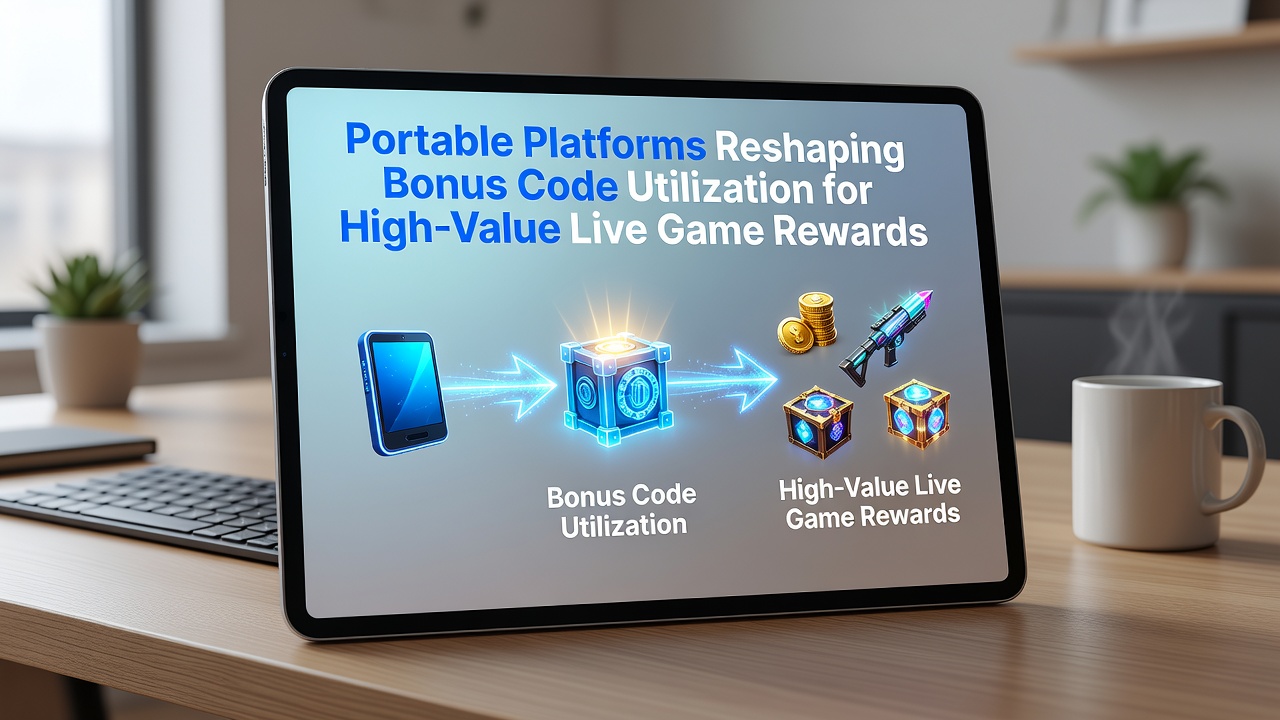
Case examples from operator analytics show that users who activate codes mid-session maintain longer engagement periods at live tables. The immediate feedback loop created by mobile interfaces appears to support this sustained activity, as reward notifications display in real time alongside game outcomes. Those monitoring industry metrics have recorded corresponding increases in average session values tied to these mobile-enabled redemptions.
Regulatory Context and Platform Compliance Updates
Jurisdictions overseeing remote gambling have introduced guidelines that address mobile-specific bonus code handling, requiring transparent display of terms within app interfaces. Compliance teams now audit live reward systems to confirm that code-based incentives meet regional standards for fairness and disclosure. These measures coincide with hardware certification processes that verify secure data transmission during live streams.
By July 2026 several markets are scheduled to implement additional verification layers for high-value rewards accessed via portable devices, which may further standardize how codes convert into live game advantages. Operators have already begun testing these protocols in pilot programs that simulate full mobile environments.
Conclusion
Portable platforms have established new pathways for bonus code application that directly influence high-value live game rewards, supported by technical integrations and documented shifts in player patterns. Continued development through mid-2026 is expected to refine these connections between mobile access and live reward structures across operating regions.