Personalized Mobile Rewards Redefine Player Engagement in Virtual Casino Platforms
Written by Anna Krüger · Jul 31, 2026
Personalized Mobile Rewards Redefine Player Engagement in Virtual Casino Platforms
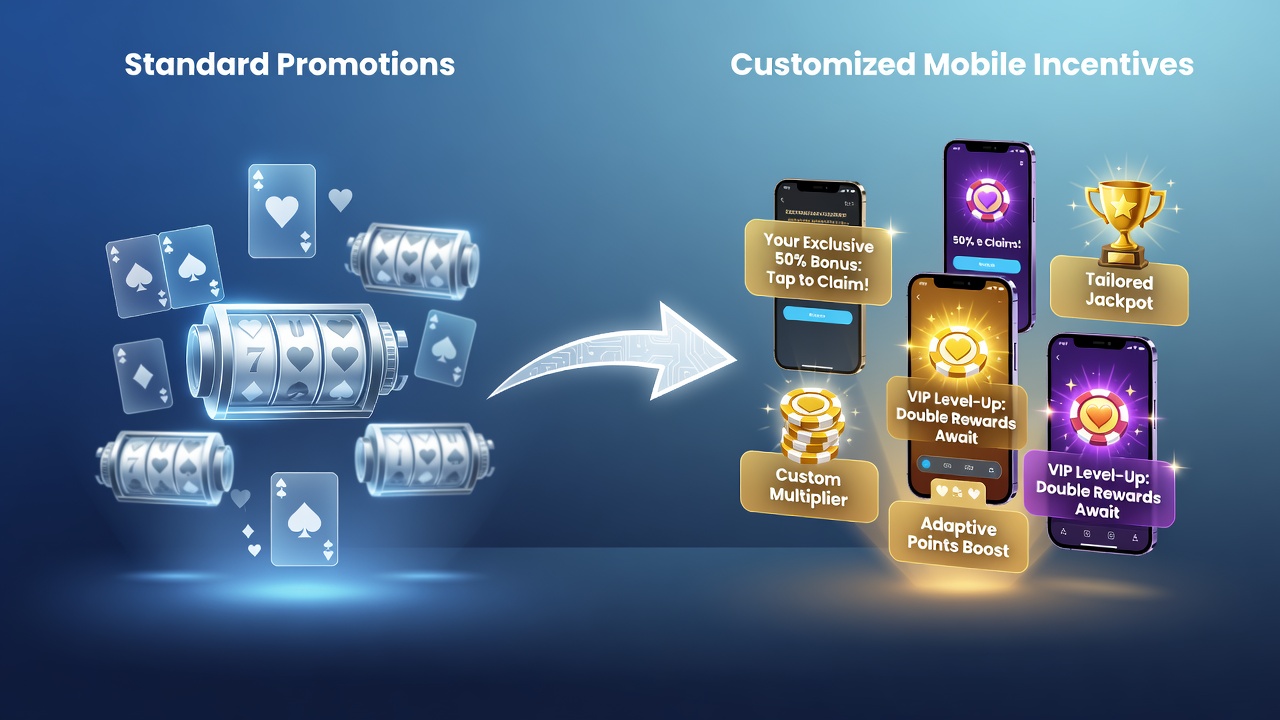
Virtual casino operators have steadily moved away from uniform promotional structures toward systems that deliver incentives tailored to individual mobile users, and this evolution reflects broader patterns in digital entertainment where data analytics guide reward distribution. Industry reports from organizations such as the American Gaming Association highlight how platforms collect behavioral metrics including session duration, game preferences, and deposit patterns to generate offers that align with specific player profiles rather than applying blanket free spin allocations or fixed welcome packages across the board.
Early Promotional Models in Online Gaming Environments
Standard promotions once dominated the sector with identical no-deposit bonuses and set wagering requirements offered to every new account, yet operators began noticing that mobile users responded differently when incentives matched device-specific usage habits. Data collected through app analytics showed higher retention rates among players who received time-sensitive mobile notifications about customized match bonuses instead of generic emails, and this observation prompted several major platforms to invest in backend systems capable of real-time personalization by July 2026.
Those who tracked early adoption patterns noted that generic free spin offers often failed to maintain engagement after the initial deposit cycle, whereas targeted mobile incentives such as loyalty multipliers tied to preferred slot themes produced longer play sessions. Regulatory frameworks in jurisdictions outside the United Kingdom, including oversight from the Nevada Gaming Control Board, have encouraged transparency in how these tailored rewards calculate value, requiring clear disclosure of terms within the mobile interface itself.
Technological Drivers Behind Mobile Customization
Advances in machine learning algorithms allow platforms to segment users based on mobile interaction data, and operators now deploy these tools to adjust incentive structures dynamically. For instance, a player who frequently accesses live dealer tables via tablet may receive mobile-exclusive credits for that category, while another who prefers quick spin sessions on smartphones sees different reward triggers. Studies published through the University of Nevada, Las Vegas gaming research center indicate that such segmentation correlates with measurable increases in average session value when personalization reaches moderate levels of specificity.
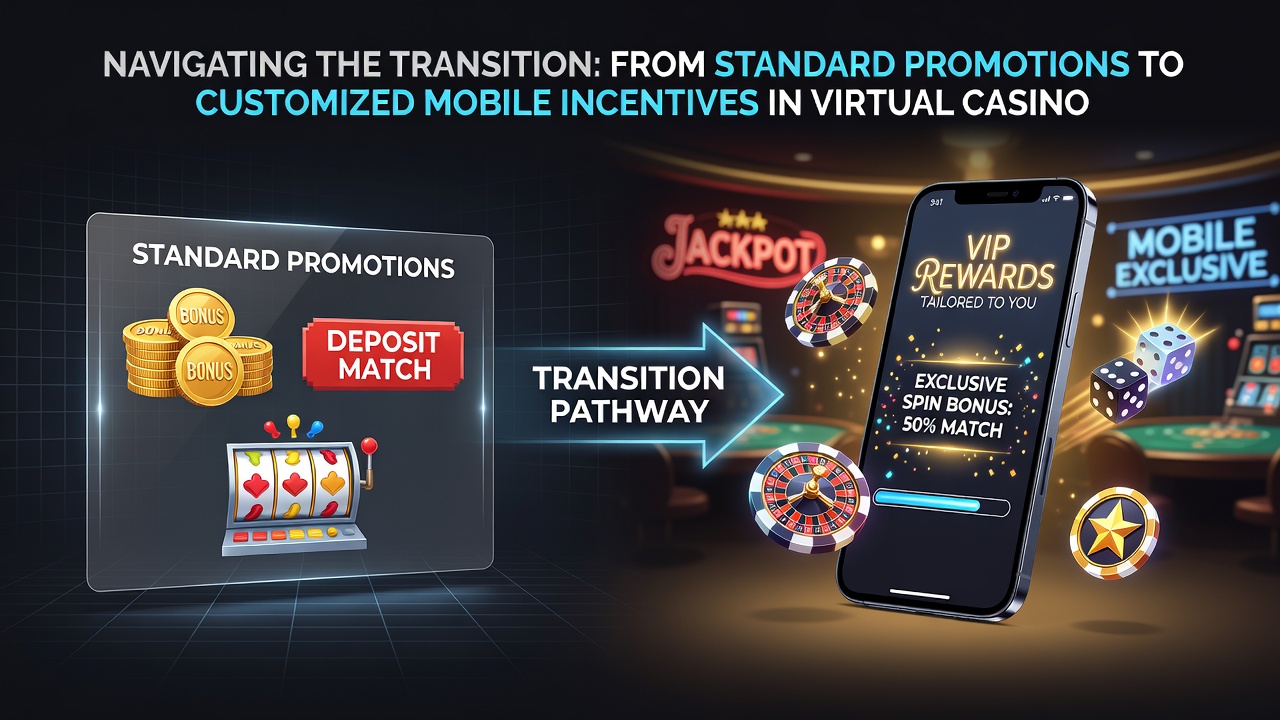
Integration with push notification services further refines delivery timing, since systems can send offers when usage analytics predict a likely return visit. This approach replaces the earlier practice of broadcasting identical promotions to entire user bases at fixed intervals, and the shift has required investment in secure data pipelines that comply with privacy standards across multiple regions. Canadian provincial regulators, for example, have issued guidelines emphasizing consent mechanisms that let users control which activity data feeds into reward calculations.
Implementation Patterns Across Major Platforms
Operators have introduced tiered mobile incentive programs where reward types evolve according to cumulative mobile activity rather than total deposits alone, creating pathways that reward consistent engagement through customized cashback percentages or bonus round entries. One documented case involved a European platform that linked mobile streak bonuses to specific game categories, resulting in documented shifts in player navigation patterns according to internal metrics shared at industry conferences. These changes coexist with traditional VIP ladders, yet the mobile layer adds granularity that standard promotions lacked.
External research from the Australian Institute of Criminology has examined how such customization affects responsible gambling features, noting that tailored limits and self-exclusion prompts can integrate directly into the same mobile reward interfaces. Platforms must therefore balance incentive delivery with safeguards that prevent over-extension, and several operators now embed spending trackers within personalized offer screens to meet these expectations.
Challenges in Scaling Customized Systems
Technical infrastructure demands have risen as operators attempt to maintain personalization accuracy across growing user volumes, and integration between legacy promotion engines and new mobile analytics platforms sometimes produces inconsistencies in reward fulfillment. Industry associations such as the European Gaming and Betting Association have published best-practice documents outlining testing protocols that verify offer accuracy before deployment. Smaller operators face particular hurdles in allocating resources for these systems, which leads some to partner with third-party providers specializing in behavioral segmentation.
Player feedback mechanisms also play a role, since direct input through in-app surveys helps refine the parameters that determine which incentives appear for each user profile. This iterative process replaces static promotional calendars with responsive models that adjust to emerging usage trends, and the transition continues to accelerate as mobile traffic surpasses desktop volumes in most markets.
Conclusion
The transition from standardized promotions to customized mobile incentives represents a structural change in how virtual casinos manage player relationships, driven by analytics capabilities and regulatory expectations that emphasize relevance and transparency. Platforms that have completed this shift report measurable differences in retention metrics compared with those still relying on uniform offers, while ongoing developments in data handling and privacy compliance shape the pace of further refinement. Observers continue to monitor how these systems evolve alongside emerging technologies and jurisdictional requirements through the latter half of 2026 and beyond.