Exploring Tiered Incentive Models and Player Navigation on British Mobile Gaming Platforms
Written by Gisela Baumann · Jun 3, 2026
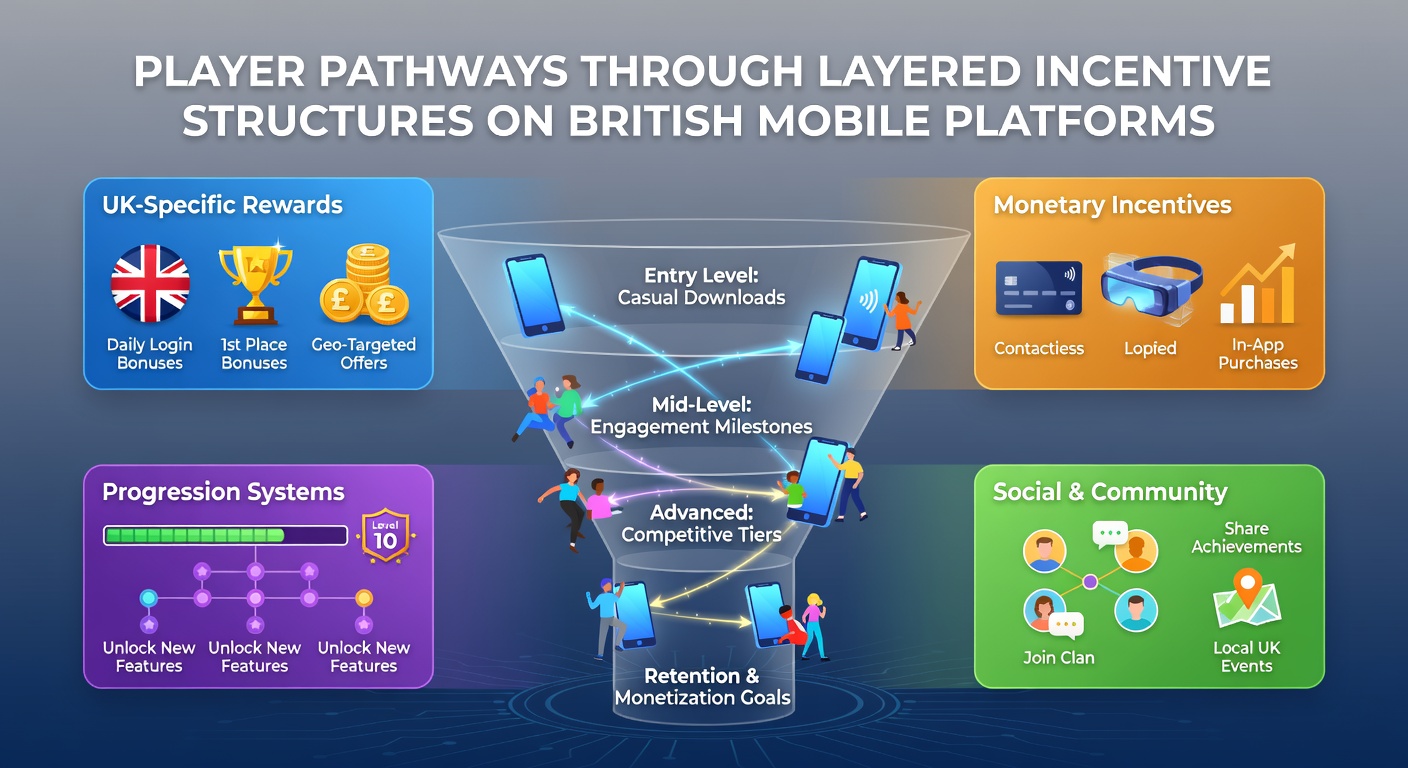
Exploring Tiered Incentive Models and Player Navigation on British Mobile Gaming Platforms
Player pathways on British mobile platforms often follow structured sequences where initial engagement unlocks successive layers of incentives, and these systems rely on cumulative activity metrics such as session duration, transaction volume, and completion of designated tasks to advance users through defined stages. Data from industry reports indicates that operators design these frameworks to maintain consistent interaction patterns across apps, while mobile-specific features like push notifications and in-app tracking facilitate real-time updates to user status within each tier.
Layered structures typically begin with entry-level rewards that require minimal commitment, then progress to intermediate benefits tied to sustained participation thresholds. Research from academic institutions shows that such progressions encourage repeated logins because each completed stage releases new functionalities, and this pattern holds steady across various mobile operating systems used in Britain. Observers note that the integration of location-based elements further refines these pathways by adjusting incentive availability according to regional compliance rules.
Mechanics of Tier Advancement on Mobile Interfaces
British mobile platforms implement incentive layers through algorithms that monitor user behavior in granular detail, and these calculations determine eligibility for elevation to higher stages based on predefined criteria. According to figures from the Canadian Gaming Association, similar tiered models in North American markets demonstrate retention rates that increase by measurable percentages when progression feels achievable within short timeframes, and parallel dynamics appear evident in UK app ecosystems.
Users encounter visual indicators on their devices that display current standing alongside upcoming milestones, which helps maintain clarity during navigation. Experts have observed that seamless transitions between layers depend on transparent rule sets, while abrupt changes in requirements can disrupt established patterns. Mobile developers incorporate analytics tools to refine these mechanics, and updates rolled out around June 2026 incorporated enhanced personalization features that tailor pathway suggestions to individual activity histories.
Integration of Mobile Technology With Reward Layers
Smartphone capabilities such as biometric authentication and cloud synchronization allow platforms to track progress without interrupting gameplay flow, and this continuity supports longer engagement cycles across incentive stages. Studies conducted by European research bodies reveal that apps leveraging device sensors for activity verification achieve higher completion rates for tier challenges compared with desktop equivalents, and British operators have adopted comparable approaches to align with user preferences.
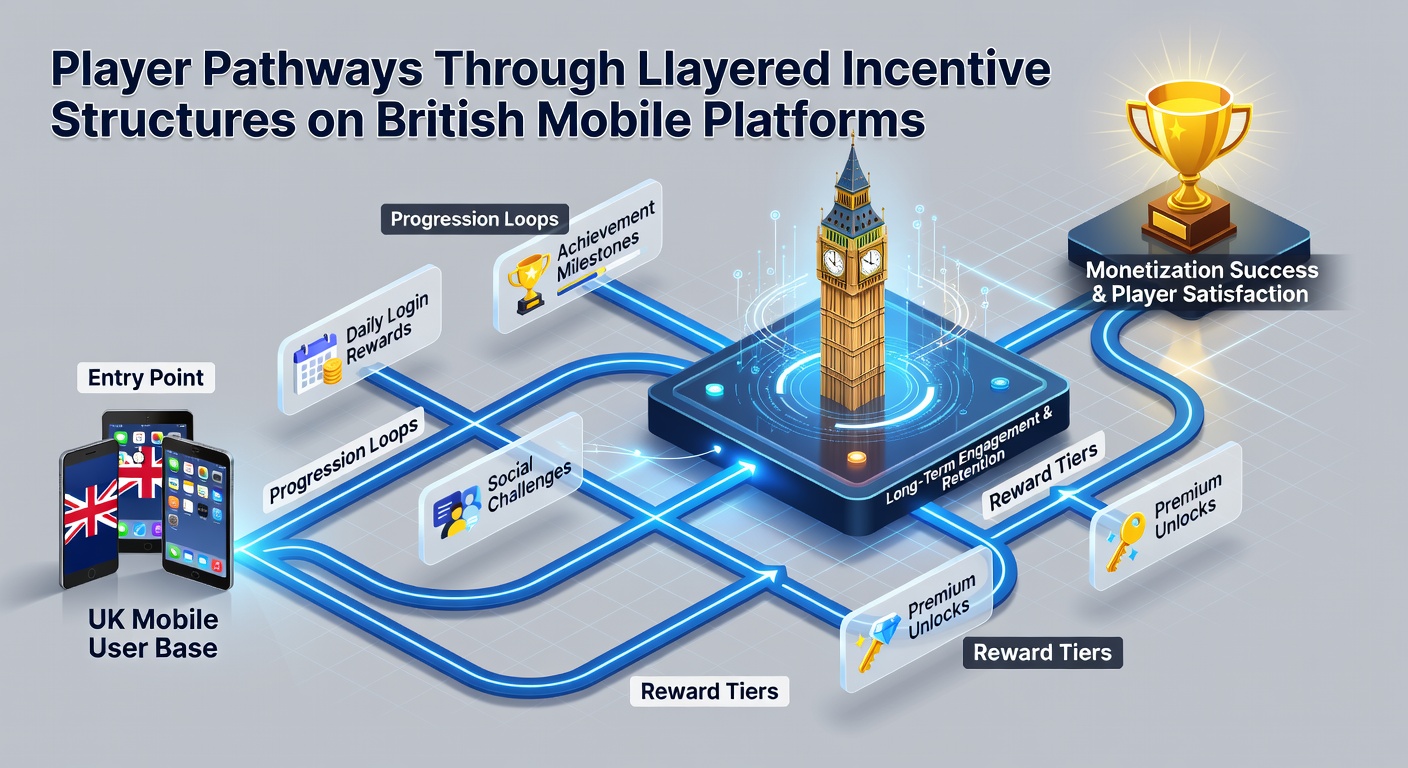
Cross-platform compatibility ensures that progress carries over when switching between devices, yet mobile remains the primary interface due to constant accessibility. Industry organizations like the World Lottery Association have documented how digital tracking systems reduce administrative overhead while providing users with immediate feedback on their advancement status. What's interesting here is the way these tools create interconnected loops where one layer's rewards feed directly into the next stage's requirements, and this design choice appears across multiple British providers.
Regulatory Influences on Pathway Design
Compliance frameworks from various jurisdictions shape how incentive structures operate on British mobile platforms, and operators adjust tier thresholds to meet evolving standards without altering core progression logic. Reports issued by the Australian Communications and Media Authority highlight successful adaptations in similar markets where transparency requirements led to clearer milestone communications, and those findings align with practices observed in UK applications during recent periods.
Platform providers must balance commercial objectives with oversight mandates, which results in pathways that emphasize verifiable activity over speculative elements. Data indicates that users respond positively to systems where advancement criteria remain consistent, and this stability contributes to predictable navigation experiences on mobile screens. By June 2026, several platforms introduced enhanced audit trails within their apps to demonstrate adherence to these guidelines in real time.
Conclusion
Layered incentive structures on British mobile platforms create defined routes for user advancement through measurable activity milestones, and technology integration streamlines the process while regulatory considerations maintain operational boundaries. Evidence from multiple sources confirms that these systems continue evolving with device capabilities and compliance updates, and the resulting pathways support sustained engagement across diverse user segments.