Digital Keys Forge New Links Between Mobile Rewards and Live Table Loyalty Programs
Written by Casey Long · Aug 23, 2026
Digital Keys Forge New Links Between Mobile Rewards and Live Table Loyalty Programs
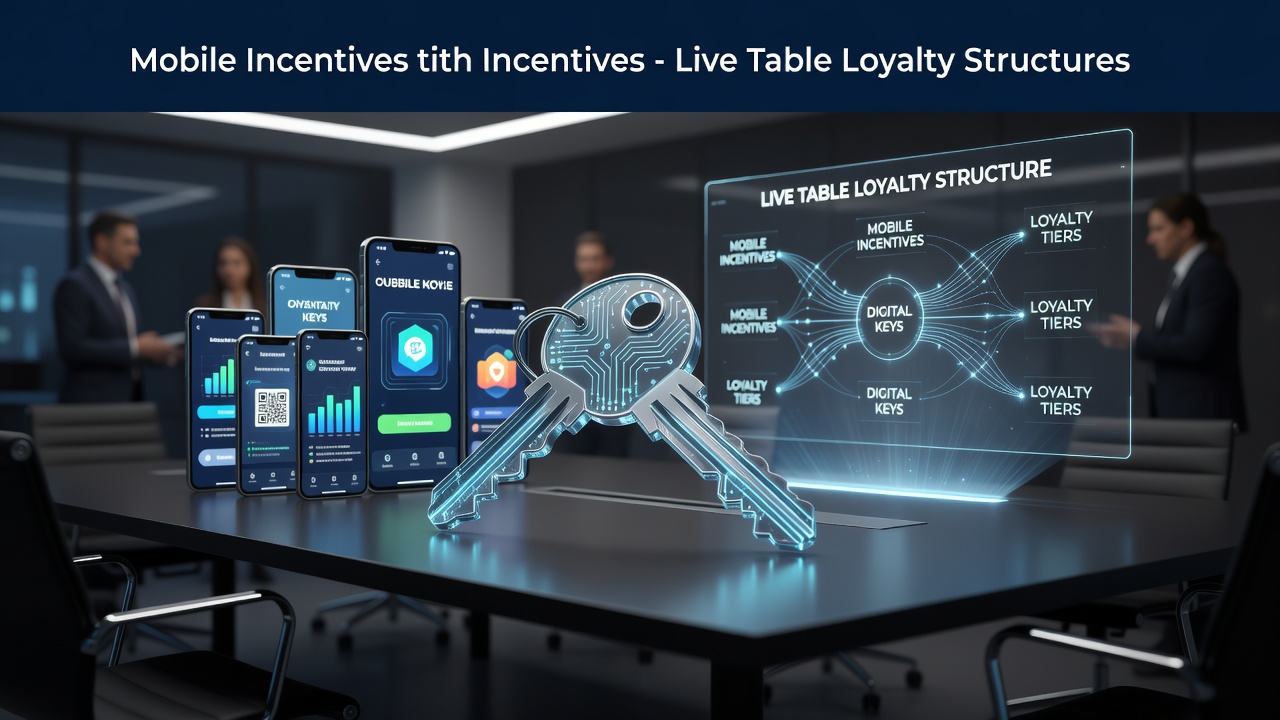
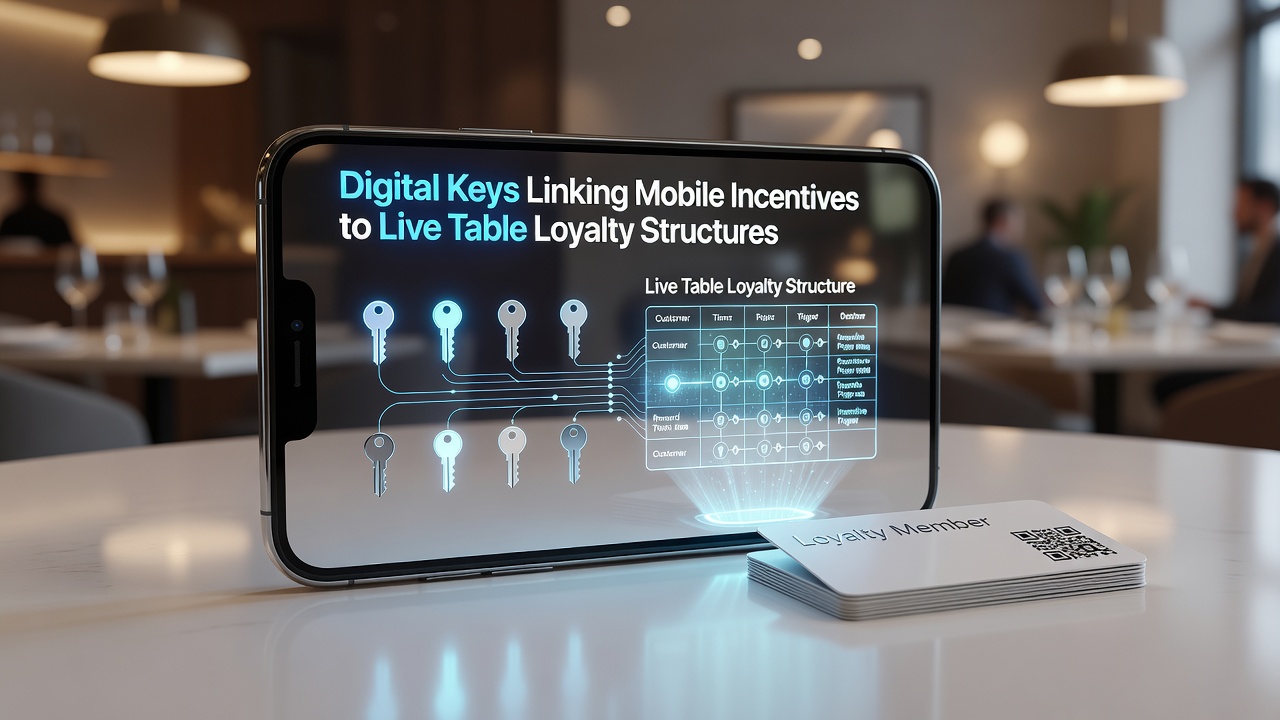
Digital keys now serve as direct connectors between mobile incentive systems and live table loyalty structures in casinos across multiple markets, allowing players to transfer rewards earned on smartphones straight into point systems that apply at physical or streamed table games. These keys function as encrypted codes generated within casino applications, and they activate upon certain play thresholds on mobile slots or virtual tables, then sync automatically with loyalty databases used for blackjack, roulette, and baccarat sessions.
Operators in the United States and Australia have adopted this approach more widely since early 2025, with systems rolling out in Nevada and Queensland properties that link app-based activity to on-floor comps. Data from industry reports shows that integrated loyalty programs using digital keys recorded a 28 percent rise in cross-platform redemptions during the first half of 2026, while separate mobile-only schemes saw slower growth.
How Digital Keys Operate in Practice
A player downloads a casino app, completes a set number of mobile spins or bets, and receives a digital key that appears in their account dashboard. That key then unlocks loyalty tiers visible at live tables, where dealers or pit managers scan a QR code tied to the same account. Observers note that this process reduces manual point transfers and cuts down on separate sign-up steps for live game rewards.
Those who've studied these systems point out that the keys often carry expiration timers ranging from 24 to 72 hours, which encourages timely use at live tables. In August 2026 several major resorts in Atlantic City introduced time-stamped keys that double point values when redeemed within the first 12 hours, creating measurable spikes in evening table traffic according to internal operator logs.
Technical Integration Across Regions
Integration relies on secure APIs that connect mobile platforms to central loyalty servers used by live table operations. Researchers at the University of Nevada's International Gaming Institute documented how these APIs handle real-time data exchange while meeting encryption standards required by state regulators. One study revealed that error rates in point allocation dropped by 41 percent after digital key systems replaced older manual entry methods.
Australian venues followed a similar path, with state gaming authorities in New South Wales requiring audit trails for every key issued and redeemed. This requirement ensures that mobile incentives remain traceable when they convert into live table benefits such as free bets, meal credits, or priority seating. Australian gambling research reports indicate that venues using these keys saw a 19 percent increase in live table participation among players who previously stayed in mobile-only environments.
Player Behavior Patterns and System Adjustments
Players often begin with mobile incentives and progress to live tables once digital keys appear in their accounts. Case examples from Las Vegas properties show that users who activate keys within the first week of receiving them maintain higher average session lengths at live tables compared with those who receive standalone loyalty offers. Operators adjust key values based on these patterns, raising or lowering point multipliers depending on table occupancy data collected during peak hours.
What's interesting is how the system handles multi-property chains. A single digital key can now apply across linked venues in different cities, provided the loyalty platform shares the same backend. European operators in Malta and Gibraltar have tested similar cross-border key transfers, although regulatory differences still limit full implementation in some jurisdictions.
Security Measures and Data Handling
Security protocols include two-factor authentication for key activation plus device fingerprinting that prevents sharing across accounts. Industry groups such as the European Gaming Association have published guidelines on storing key data separately from financial records, which reduces exposure in case of breaches. Those guidelines also recommend regular third-party audits, and several operators completed such reviews in mid-2026 with no major vulnerabilities reported.
Live table loyalty structures benefit because keys create a documented path from mobile play to table-side rewards. Pit bosses receive updated player profiles on tablets that show key status, recent mobile activity, and available comps without needing separate logins. This setup streamlines service and keeps loyalty points synchronized across both environments.
Future Developments Expected by Late 2026
Additional features under discussion include voice-activated key redemption at certain tables and integration with wearable devices that display key status without phone interaction. Data from pilot programs suggests these additions could further increase live table foot traffic, though full rollout timelines remain subject to regulatory review in each region.
Conclusion
Digital keys continue to reshape how mobile incentives feed into live table loyalty structures by providing a reliable, trackable bridge between the two environments. As more operators refine these connections, the systems deliver measurable improvements in player movement from mobile to live platforms while maintaining compliance standards across different regulatory landscapes. The approach shows steady adoption through 2026, supported by technical standards and operational data that confirm its ongoing role in casino reward programs.