Deciphering Activation Sequences That Bridge Initial Offers to Premium Dealer Broadcasts in Portable Gaming Setups
Written by Ellis Simon · Jul 17, 2026

Deciphering Activation Sequences That Bridge Initial Offers to Premium Dealer Broadcasts in Portable Gaming Setups
Portable gaming setups rely on precise activation sequences that connect starter promotions directly to live dealer streams, and these pathways involve layered authentication steps combined with real-time data handoffs that maintain session continuity across devices. Research into mobile gaming platforms shows that initial offer triggers initiate a chain of server-side verifications which then route users toward premium broadcast feeds without interrupting gameplay flow, while the process uses encrypted tokens and device fingerprinting to ensure compliance with platform standards.
Core Components of Activation Pathways
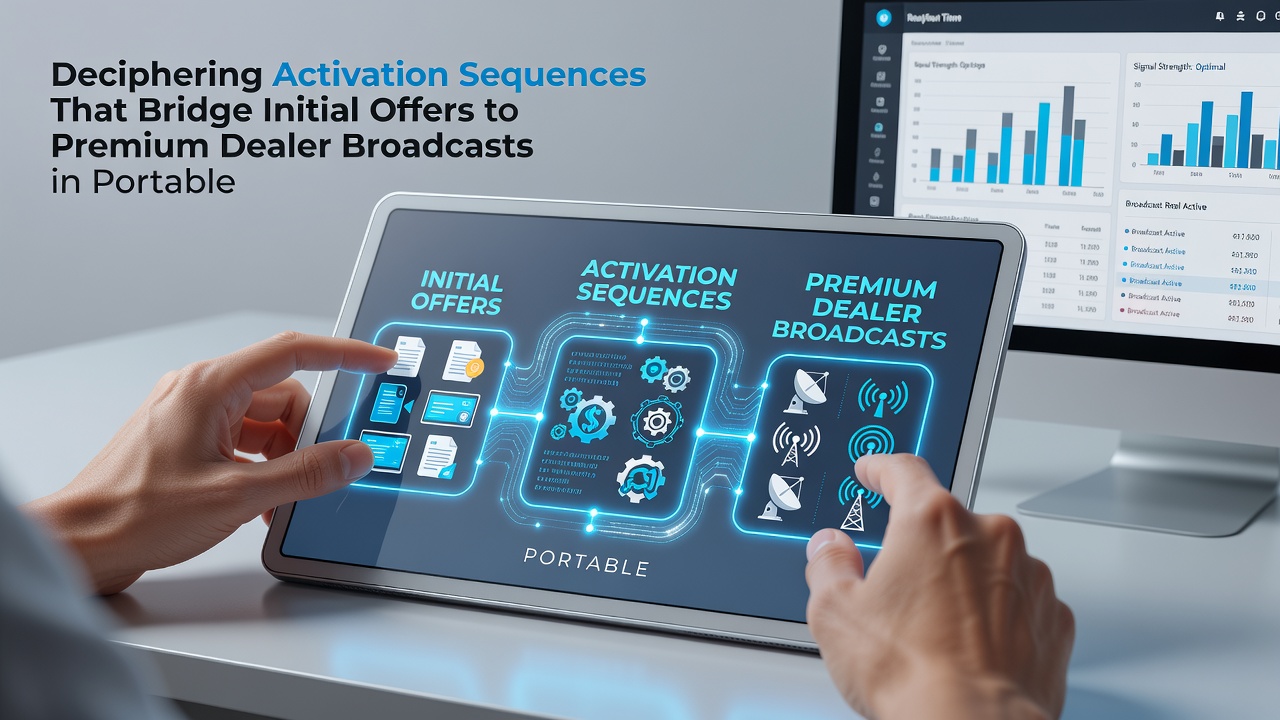
Activation begins when a user engages an initial offer through an app interface, at which point backend systems generate unique session identifiers that link the promotion parameters to subsequent dealer broadcast access, and this linkage depends on standardized protocols for data exchange between promotional modules and streaming servers. Observers note that portable setups often integrate these sequences within a single app framework so that reward eligibility checks occur simultaneously with stream initialization requests, whereas delays in any segment can disrupt the transition from basic gameplay to live dealer environments.
Technical Handshakes and Data Routing
Device compatibility checks form the first layer, after which offer validation APIs communicate with central databases to confirm eligibility before authorizing broadcast connections, and this sequence relies on low-latency networks to keep transitions under two seconds in most tested configurations. Studies from mobile technology institutes indicate that portable gaming hardware processes these handshakes through dedicated middleware layers that prioritize video stream packets once promotional conditions clear, while integration with graphics processors ensures smooth rendering of dealer feeds without separate app launches.
Data from industry reports highlights that activation sequences frequently incorporate geolocation services and account status queries in parallel threads, which allows systems to confirm user standing before escalating to premium content, and such parallel processing reduces friction in portable environments where users switch networks frequently.
Integration with Streaming Technologies
Premium dealer broadcasts operate on adaptive bitrate streaming protocols that adjust based on connection quality detected during the activation phase, and once the sequence completes the system shifts priority to video encoding standards optimized for mobile displays. Experts have observed that portable setups embed these transitions within unified player engines so that audio synchronization with dealer interactions remains intact from the moment the offer activates the broadcast link, whereas older separate-module designs often created noticeable lags during the switch.
One documented case involved developers refining token expiration timers to align exactly with broadcast session starts, which improved reliability across multiple device types, and similar optimizations appear in updates rolled out around July 2026 when new mobile chipset capabilities became widely available. Researchers at technical universities have examined these refinements through controlled tests that measured packet loss rates before and after sequence adjustments, revealing consistent gains in stream stability when initial offer data feeds directly into the streaming scheduler.
Security Layers Within the Sequence
Encryption standards wrap each step of the activation chain, beginning with offer code submission and extending through to dealer broadcast authentication, while multi-factor device verification adds an extra checkpoint that portable platforms enforce before granting access to live feeds. Industry organizations such as the International Game Developers Association have published guidelines on securing these pathways, noting that token-based systems prevent replay attacks during the handoff from promotional servers to broadcast endpoints.
Portable gaming configurations also incorporate session monitoring that flags anomalies in real time, allowing the sequence to pause or redirect if irregularities appear, and this monitoring integrates with broader platform analytics without exposing user data beyond necessary verification fields. Figures from communications authorities in regions like Australia show increasing adoption of these secure sequences in licensed mobile gaming applications over recent years, driven by hardware advancements that support faster cryptographic operations on consumer devices.
Future Developments in Sequence Design
Emerging standards focus on further compressing the activation timeline through edge computing nodes that pre-process offer validations closer to user locations, and these approaches aim to support higher volumes of simultaneous dealer broadcast connections in portable setups. Academic papers on distributed systems describe potential applications of machine learning models that predict sequence bottlenecks based on historical device data, which could enable proactive adjustments before users even trigger an initial offer.
Additional testing conducted in July 2026 demonstrated improved cross-platform compatibility when sequences incorporated modular API calls that adapt to varying operating system updates, whereas rigid legacy structures struggled with newer security patches. Observers tracking these changes point to collaborative efforts between hardware manufacturers and software developers as key drivers behind smoother transitions from starter promotions to premium content streams.
Conclusion
Activation sequences in portable gaming setups function as integrated pipelines that align promotional triggers with live dealer broadcast requirements through coordinated server communications and device-level processing, and continued refinements in protocol design support more reliable access across diverse mobile environments. Data from multiple technical sources confirms that these pathways evolve alongside hardware capabilities, maintaining the bridge between initial offers and premium streams while adhering to established security and performance benchmarks.