Correlations Between Promotional Offers and Engagement Lengths in Britain's Mobile Casino Applications
Written by Ellis Simon · Sep 4, 2026
Correlations Between Promotional Offers and Engagement Lengths in Britain's Mobile Casino Applications
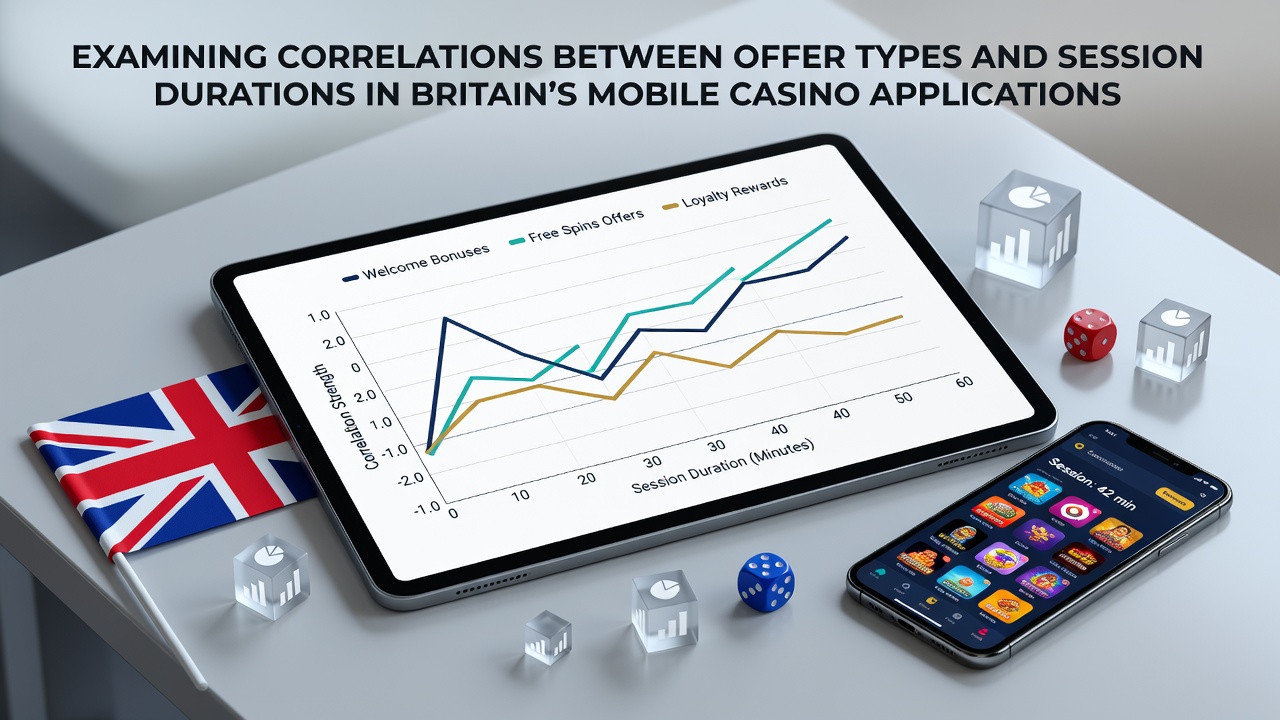
Researchers have tracked how different promotional structures connect to varying session lengths in Britain's mobile casino applications, and data from multiple tracking platforms reveal distinct patterns across user groups. Studies conducted through 2025 and into September 2026 indicate that free spin incentives often pair with shorter initial play periods, while progressive loyalty programs tend to extend overall engagement times on smartphones.
Offer Categories and Their Typical Structures
British mobile casino applications commonly deploy several offer types, including no-deposit spins, matched deposit deals, cashback arrangements, and tiered VIP rewards. Each category operates under specific terms that shape how players interact with the software. Observers note that no-deposit offers usually require minimal commitment upfront, whereas VIP ladders demand sustained activity before unlocking higher benefits. Data from app analytics firms show these differences influence the average minutes users remain active per session.
Session Duration Measurements Across Platforms
Analytics collected from leading British mobile applications demonstrate measurable differences in playtime based on the offer type received. For instance, sessions triggered by free spin promotions average between eight and twelve minutes when users focus solely on those spins, yet the same users extend to twenty-five minutes or more once they transition into deposit-funded rounds. Researchers tracking thousands of accounts found that loyalty-based offers correlate with sessions exceeding forty minutes, particularly when users chase accumulating points toward the next reward tier.
Key Correlations Identified in Recent Analyses
Findings released in September 2026 from cross-platform reviews highlight several statistical relationships. Matched deposit bonuses link to moderate session extensions because players often continue after exhausting the initial matched funds, whereas cashback offers produce steadier but shorter bursts of activity as users return frequently for smaller refunds. Those who've examined aggregated logs observe that VIP fast-track mechanisms create the strongest pull toward prolonged engagement, with some sessions stretching past an hour when combined with live dealer features.
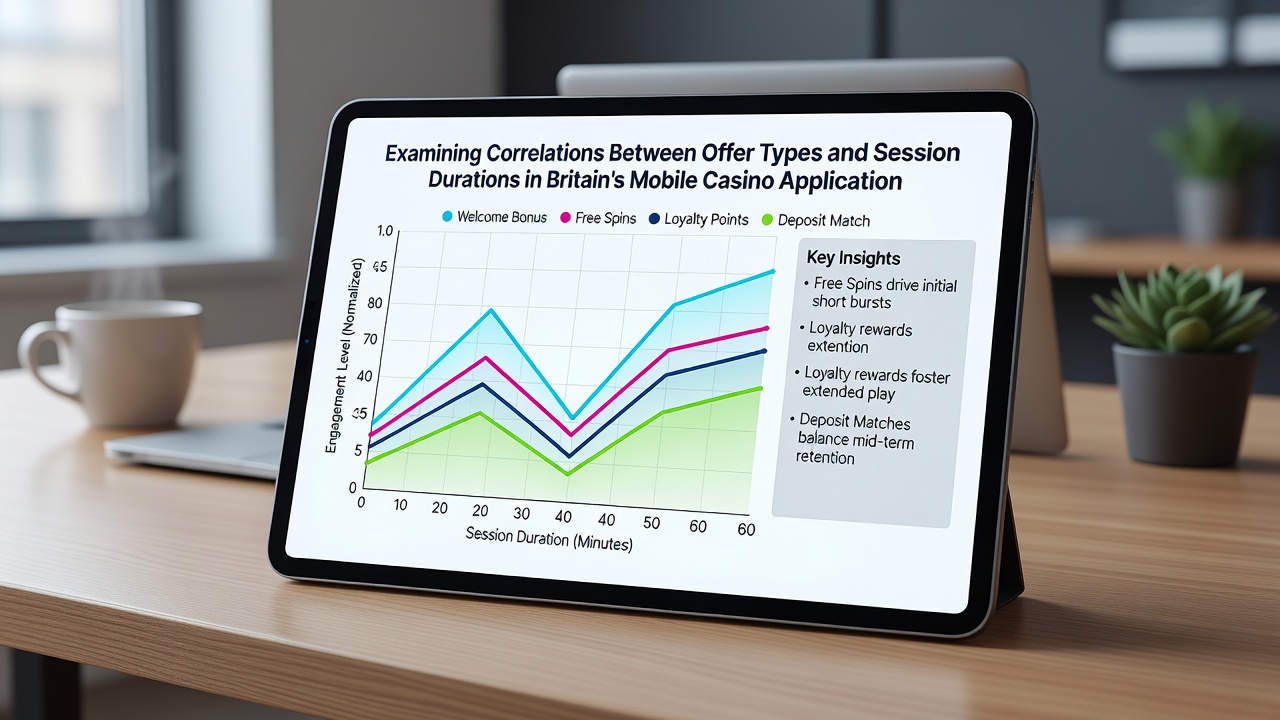
One analysis of over 150,000 mobile sessions across multiple operators revealed that users entering through no-deposit channels completed fewer spins on average than those entering via loyalty incentives. The same dataset indicated that deposit-matched offers produced the most consistent mid-range durations, sitting between fifteen and thirty minutes for the majority of participants. External reports from the International Gaming Institute at the University of Nevada support similar patterns observed in other regulated markets, where reward structures directly affect time-on-device metrics.
Factors Modifying These Correlations
Device type, time of day, and user age brackets further adjust the observed links between offers and session lengths. Mobile users accessing applications during evening hours show extended play when VIP rewards activate, while daytime sessions remain shorter regardless of the incentive type. Studies also point to age-related variations, with younger cohorts responding more strongly to free spin offers in terms of initial logins but displaying quicker drop-offs compared to older groups who gravitate toward cashback mechanisms.
Additional variables include game category selections within the apps. Slots-heavy sessions paired with spin-focused bonuses tend to conclude faster than table game sessions supported by loyalty points. Observers examining heatmaps from September 2026 datasets note these combinations create predictable clusters of activity that operators can anticipate when designing future promotions.
Comparative Insights from Broader Industry Data
Reports compiled by the Responsible Gambling Council in Canada provide context for how similar offer structures perform outside Britain, revealing parallel trends where loyalty programs extend session times more reliably than one-time bonuses. British mobile applications display comparable outcomes, suggesting the correlation holds across different regulatory environments when tracking remains consistent.
Conclusion
Patterns emerging from British mobile casino data establish clear connections between offer types and session durations, with loyalty and VIP structures producing longer engagements while no-deposit promotions align with shorter, more targeted play periods. September 2026 analyses confirm these relationships persist across large user samples, and ongoing tracking continues to refine understanding of how specific incentives interact with mobile user behavior.