Activation Keys Shape Sequential Reward Pathways in Mobile Live Gaming Tiers
Written by Ellis Simon · Jun 14, 2026
Activation Keys Shape Sequential Reward Pathways in Mobile Live Gaming Tiers
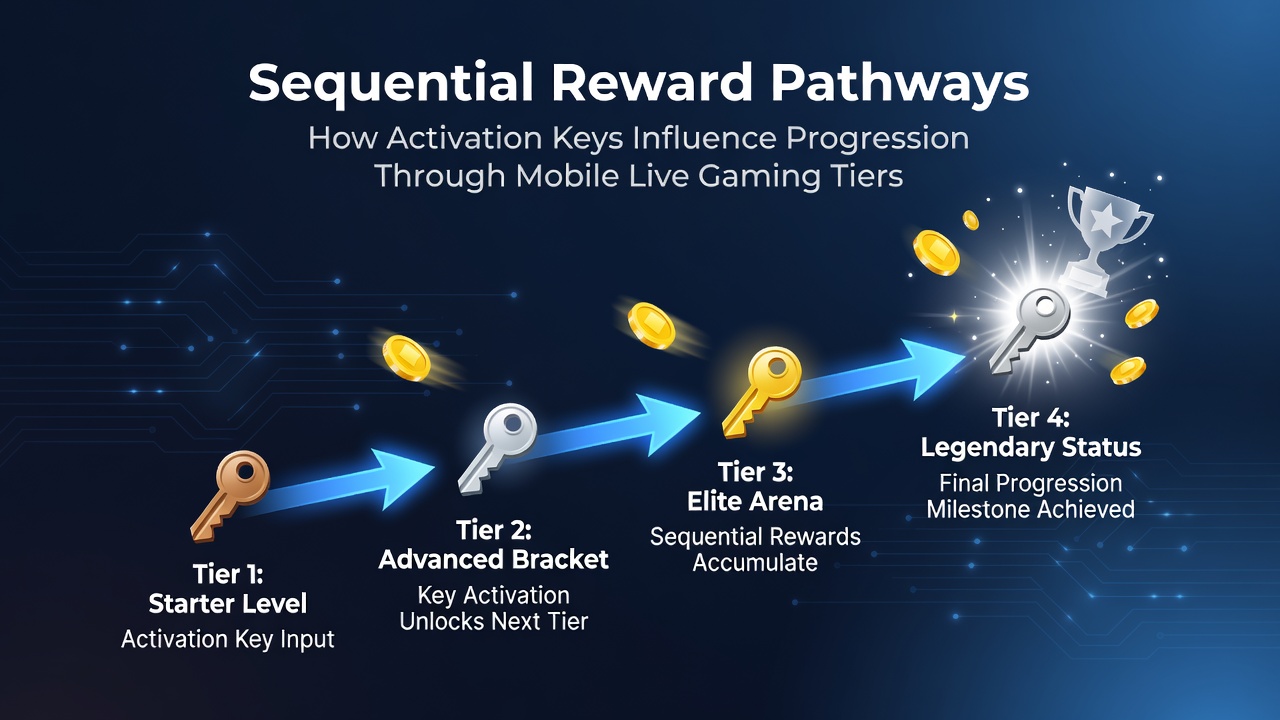
Sequential reward pathways operate through structured sequences where players advance across multiple gaming tiers by completing specific actions, and activation keys serve as digital triggers that initiate or accelerate movement between those levels in mobile live gaming environments. These systems integrate elements from live dealer interactions with mobile platform mechanics, creating chains of rewards that depend on timely key activation to unlock subsequent stages.
Defining Sequential Reward Pathways
Sequential reward pathways consist of ordered stages that require cumulative progress before advancing, whereas traditional one-time bonuses provide immediate but isolated benefits. Data from industry analyses show that these pathways typically include entry-level access through initial key entry, followed by performance-based unlocks that lead into higher live gaming tiers such as premium table access or enhanced multiplier zones. Researchers at academic institutions have documented how these sequences maintain player engagement by linking each completed stage directly to the next requirement, creating continuous momentum across sessions.
Mechanics of Activation Keys
Activation keys function as unique codes or tokens that players input through mobile interfaces to validate eligibility for progression. When applied correctly, a key bypasses standard waiting periods or meets threshold criteria that would otherwise delay tier advancement. Observers note that keys often carry expiration parameters tied to specific calendar windows, which in turn influence how quickly participants move through live gaming sequences during peak activity periods. In June 2026 several mobile platform providers introduced standardized key formats that align with updated security protocols, allowing seamless integration across different live dealer environments without requiring separate verifications for each tier jump.
Mobile Platform Integration
Mobile devices enable real-time key activation because players can enter codes during live sessions without interrupting gameplay flow. Application data reveals that push notifications frequently deliver keys directly to users who meet preliminary criteria, reducing the steps needed to progress from one reward stage to another. Those who study mobile gaming metrics have recorded higher completion rates for sequential pathways when keys arrive via in-app messaging rather than external channels. The portability factor also allows participants to shift between live tables and reward dashboards instantly, maintaining the chain of progression even while traveling or multitasking.
Influence on Live Gaming Tiers
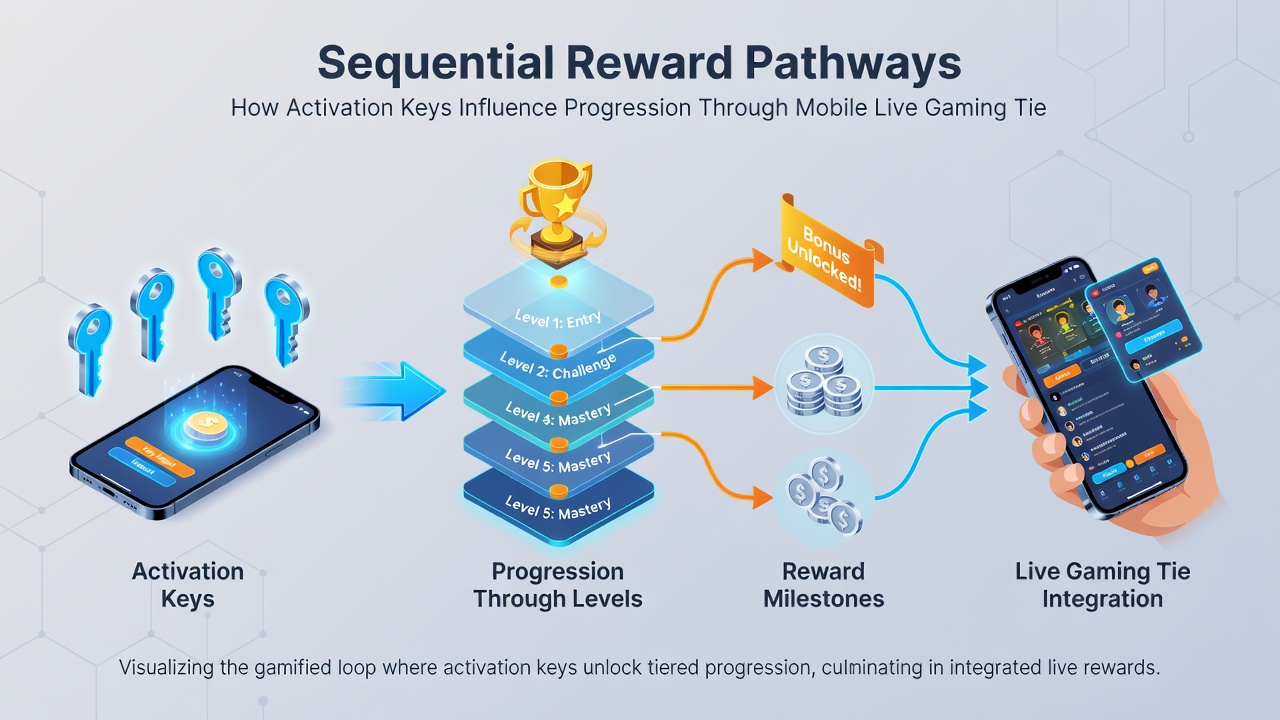
Live gaming tiers incorporate activation keys at critical transition points, such as moving from standard blackjack rooms to exclusive high-limit variants or from basic roulette to specialized side-bet tables. Evidence from platform usage logs indicates that keys applied at these junctures reduce the number of required live sessions by approximately thirty percent compared with pathways lacking key support. Industry organizations including the American Gaming Association have published summaries noting that sequential structures with integrated keys produce steadier advancement patterns across user bases. Canadian regulatory reports further confirm that key-activated progressions correlate with extended session durations in live mobile formats, because each successful activation reinforces continued participation.
Regional Variations and Data Trends
Different jurisdictions apply distinct rules governing how activation keys interact with sequential rewards. Australian research institutions have examined mobile live gaming data and found that keys tied to geographic verification steps create additional layers within progression sequences. European mobile analytics from non-UK sources demonstrate that keys distributed through loyalty integrations accelerate tier movement more effectively than standalone codes. These variations affect how quickly players reach top-tier live environments, where access often depends on cumulative key usage across multiple sequences rather than single activations.
Technical Considerations for Key Deployment
Developers implement activation keys through encrypted mobile APIs that verify authenticity before granting tier access. This process prevents duplicate entries and ensures that each key contributes uniquely to the sequential chain. Reports indicate that platforms updated in early 2026 incorporated biometric confirmation alongside key entry, adding security while preserving the speed of progression through live tiers. Those monitoring technical developments observe that seamless key handling reduces friction points that previously interrupted live session continuity.
Conclusion
Activation keys serve as pivotal connectors within sequential reward pathways, directly shaping how participants advance through mobile live gaming tiers by validating and expediting each stage transition. Platform data, regulatory summaries from varied regions, and technical reports collectively illustrate the mechanisms through which these elements interact to sustain structured progression. Continued evolution of key formats and integration methods will likely refine these sequences further in coming periods.